Winterizing Your Home: The Pre-Freezing Checklist That Prevents Burst Pipes
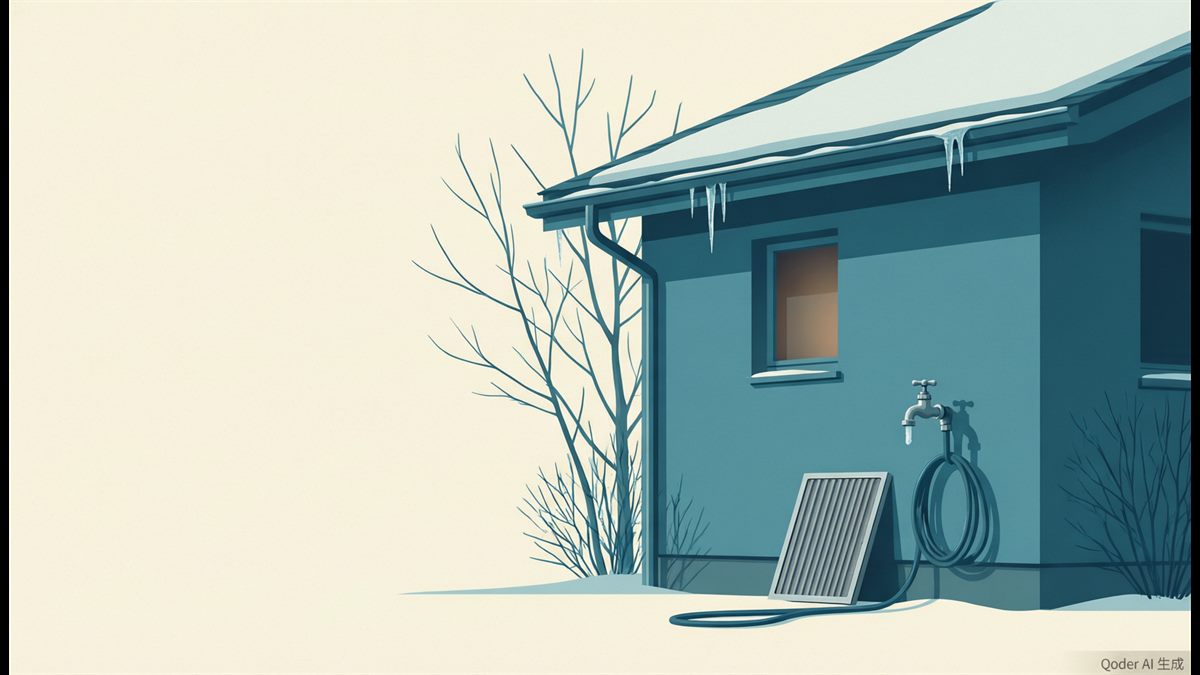
Winter damage is almost always preventable with an afternoon of work in the fall. This is the sequence that stops the expensive failures: frozen pipes, ice dams, a furnace that quits on the coldest night.
Water outside
Drain and shut off irrigation
Blow out or drain the system, then close the indoor valve and open the bleed. Left water in a line is a cracked manifold in January.
Disconnect and insulate spigots
Remove hoses, shut the interior shut-off, open the spigot to drain, then fit a foam cover. Frost-free spigots still fail if a hose is left connected.
Water inside
Know your main shut-off
Everyone in the house should find it in under 30 seconds. Tag it with a note.
Add heat to at-risk pipes
Pipes in exterior walls, crawl spaces and garage walls are the ones that burst. Foam sleeves help; a strand of heat tape on the truly exposed runs is worth it.
Roof and gutters
Clear gutters before ice
Clogged gutters hold water that freezes into an ice dam, pushing melt under shingles. Clean them and check that downspouts drain several feet out.
Check the attic on a cold day
Snow that melts and refreezes signals a warm, poorly insulated attic. Air-seal the hatch and add depth over the ceiling.
Heat and safety
Change the furnace filter and test early
Run the heat before you need it, listen for irregular noise, and book a technician while they are still available.
Test detectors and a carbon-monoxide alarm
Combustion appliances fire up in winter; a dead CO alarm is a real hazard.
Around the house
Weatherstrip doors, reverse ceiling fans to push warm air down, and keep interior doors open during a cold snap so heat reaches pipe-filled cabinets. A drip on the coldest nights is cheap insurance against a burst.
The 30-minute priority version
If you only do three: drain the irrigation, cover the spigots, and change the furnace filter. Those prevent the most common and most costly winter calls.
Related reads
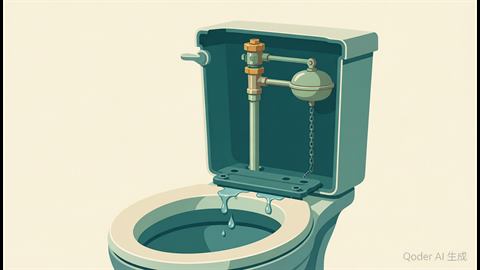
Fix a Running Toilet in 10 Minutes (Flapper, Fill Valve, or Float)
The three noises a running toilet makes and what each one means, plus the cheap part swap that fixes 90% of cases — with a no-tools diagnostic first.
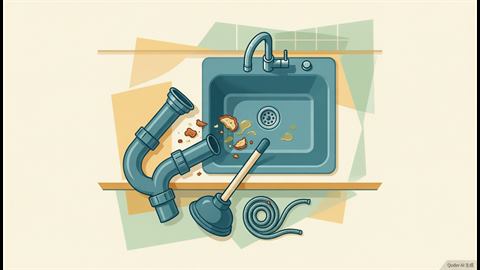
How to Unclog a Kitchen Sink Without Calling a Plumber
A ranked troubleshooting path for a slow or blocked kitchen drain — boiling water, a manual snake, the P-trap clean-out — that fixes most clogs in under an hour for free.
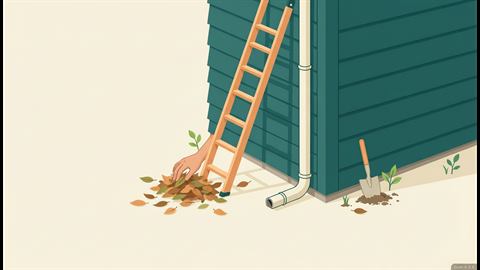
The Spring Home Maintenance Checklist: 15 Tasks That Protect Your House
A practical spring home maintenance checklist covering gutters, HVAC, roof, seals and more — 15 tasks that prevent costly repairs, in the order that actually makes sense.