Fix a Running Toilet in 10 Minutes (Flapper, Fill Valve, or Float)
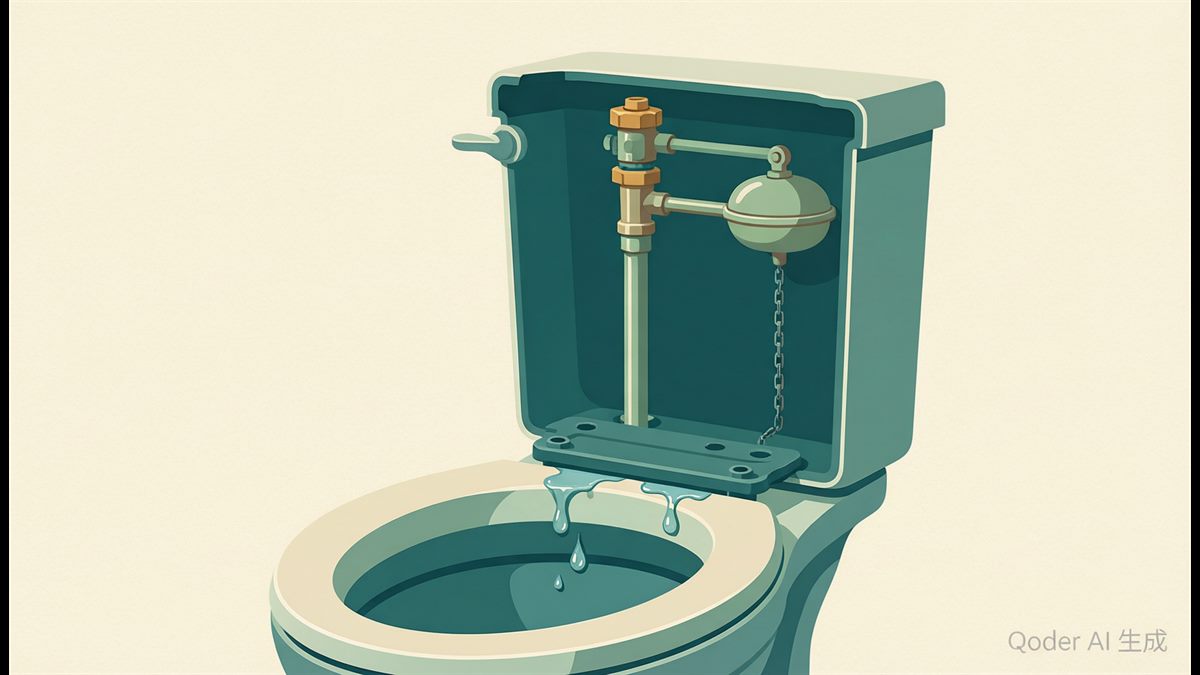
A running toilet can waste hundreds of liters a day and quietly hike your water bill. The fix is almost always a 15-cent flapper or a $12 fill valve. Diagnose before you buy anything.
The dye test (do this first)
Drop food coloring in the tank. Wait 15 minutes without flushing. Color in the bowl means water is leaking past the flapper into the bowl — that is your culprit. No color, but the tank refills periodically means a fill-valve or float issue.
Culprit 1: a worn or mis-seated flapper
The rubber flapper degrades and stops sealing. Turn off the valve, flush to empty, and replace the flapper (match the post style: universal or specific-brand). Clean the tank’s overflow seat with a sponge so the new flapper sits flat.
Culprit 2: the chain is wrong
Too much slack and the flapper cannot close; too little and it holds the flapper cracked open. Aim for about half an inch of slack with the handle at rest.
Culprit 3: the float is set too high
If water runs into the overflow tube, the fill level is above the tube. Bend the float arm down slightly or twist the float-height adjustment so the water line sits about an inch below the overflow opening.
Culprit 4: a failing fill valve
A hiss, a jitter, or constant refilling after the tank is full points to the valve. Replace the fill valve — turn water off, disconnect the supply line, unscrew the locknut under the bowl, drop in the new valve, and adjust height to match the tank.
Reassemble and check
Turn water on, let it fill, dye-test again for 15 minutes. Clear water in the bowl means you are fixed.
Prevention
Avoid in-tank “cleaning” tablets; their chemicals eat flappers and valves. A yearly flapper swap is cheap insurance.
Related reads
Winterizing Your Home: The Pre-Freezing Checklist That Prevents Burst Pipes
The 12 jobs to finish before the first hard freeze — from outdoor spigots and irrigation to furnace filters and gutter ice dams — ranked by what actually bursts or breaks.
How to Unclog a Kitchen Sink Without Calling a Plumber
A ranked troubleshooting path for a slow or blocked kitchen drain — boiling water, a manual snake, the P-trap clean-out — that fixes most clogs in under an hour for free.
The Spring Home Maintenance Checklist: 15 Tasks That Protect Your House
A practical spring home maintenance checklist covering gutters, HVAC, roof, seals and more — 15 tasks that prevent costly repairs, in the order that actually makes sense.