The Spring Home Maintenance Checklist: 15 Tasks That Protect Your House
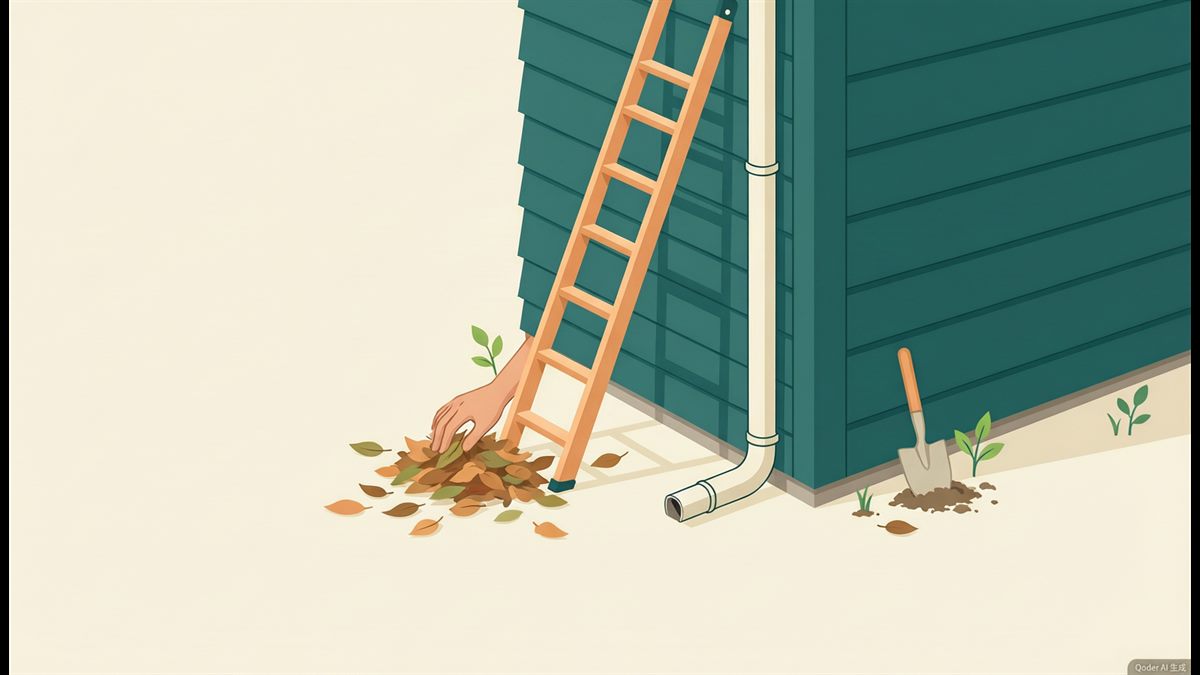
Every year, homeowners spend billions on repairs that a weekend of maintenance would have prevented. The trick is not doing more tasks — it is doing them in the right order, when the weather cooperates.
Start outside, work inward
Outdoor water is the most expensive problem in most homes. Fix drainage before anything cosmetic.
1. Clean the gutters and check the fall
Clogged gutters push water under your roof edges and into the foundation. Clean them, then pour a bucket of water at the far end and watch it exit the downspout at least three feet away from the house.
2. Inspect the roof from the ground
Binoculars beat a ladder for a first pass. Look for curled or missing shingles, rust spots on flashing, and moss. Any of the three means it is time for a professional inspection.
3. Regrading and downspout extensions
If water pools next to your foundation after rain, add extenders or regrade the soil so it slopes away about six inches over ten feet.
Then the systems
4. Replace the HVAC filter and schedule a tune-up
A dirty filter can raise energy use by 15%. Do the filter yourself; book the technician before the summer cooling rush, when their calendar is cheapest.
5. Test the sump pump
Pour a bucket of water into the pit. The pump should kick in and clear it without gulping air.
6. Water heater flush
Sediment halves heater efficiency. Drain a couple of gallons through the valve, and repeat until the water runs clear.
Seal the envelope
7. Re-caulk tubs, sinks and exterior trim
Ten dollars of caulk prevents thousands in rot. Focus on window exteriors, trim joints and any gap you can see daylight through.
8. Check door sweeps and weatherstripping
On a windy day, hold an incense stick near closed exterior doors. A smoking trail means you are paying to heat the street.
Finish inside
The remaining seven tasks — dryer vent cleaning, GFCI testing, smoke alarm batteries, hose bib inspection, appliance coil cleaning, grout sealing and crawl-space vapor check — follow the same logic: prevent water, prevent fire, prevent wasted energy.
The one-hour version
Short on time? Do gutters, filter, smoke alarms and the water heater flush. Those four deliver most of the protection for minimal effort.
Related reads
Winterizing Your Home: The Pre-Freezing Checklist That Prevents Burst Pipes
The 12 jobs to finish before the first hard freeze — from outdoor spigots and irrigation to furnace filters and gutter ice dams — ranked by what actually bursts or breaks.
Fix a Running Toilet in 10 Minutes (Flapper, Fill Valve, or Float)
The three noises a running toilet makes and what each one means, plus the cheap part swap that fixes 90% of cases — with a no-tools diagnostic first.
How to Unclog a Kitchen Sink Without Calling a Plumber
A ranked troubleshooting path for a slow or blocked kitchen drain — boiling water, a manual snake, the P-trap clean-out — that fixes most clogs in under an hour for free.