Reducing Household Waste: Realistic Swaps That Actually Stick
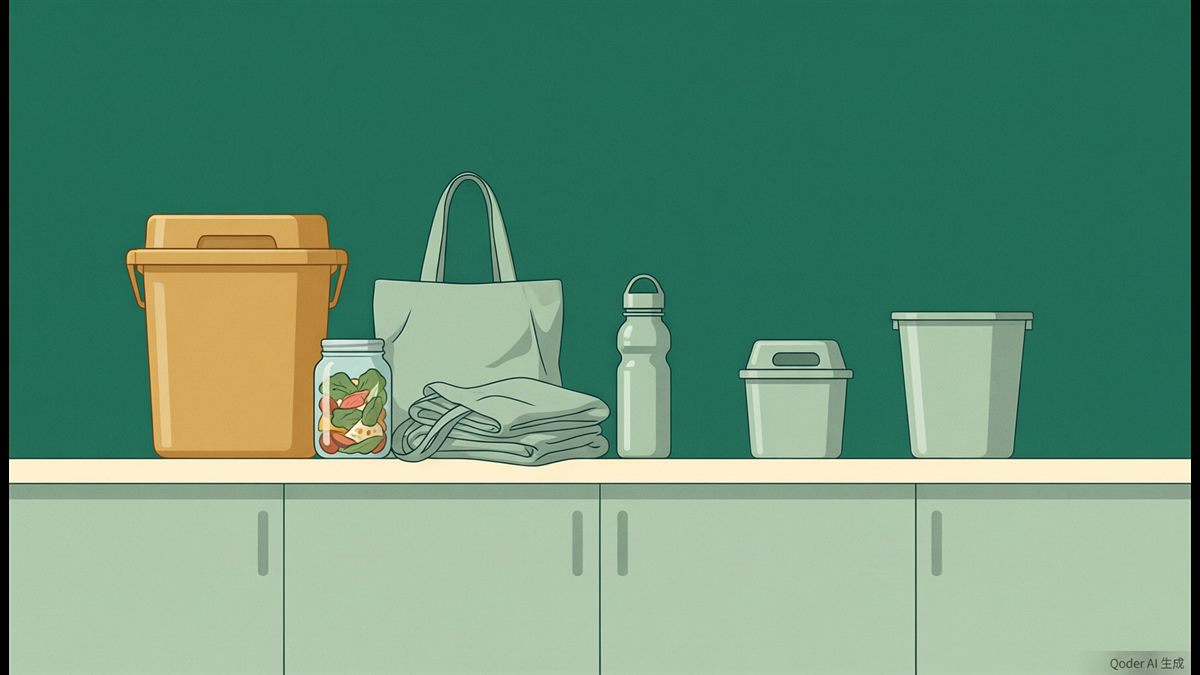
Zero-waste content is written by people with no kids and free time. A real household cuts waste through a handful of high-leverage swaps that also save money, and through the bin you can see, not the one you carry to a depot.
Start with what you throw away most
For a week, notice the bin. Most families find the same four: food scraps, packaging, paper towels and single-use bottles. That list is your roadmap — cutting one big stream beats cutting ten little ones.
The swaps that stick (because they save money or effort)
- Food scraps — a countertop caddy plus the simplest compost route your area allows (curbside bin, a small worm box, or even a freezer bag until a drop-off day). Food is the heaviest, smelliest chunk of most trash.
- Paper towels down, cloth up — a basket of cut-up old shirts and a few Swedish dishcloths. Fewer roll purchases, less waste.
- Refill over single-use — cleaning concentrates, a reusable bottle for the most-drank drink, and buying the size you finish fastest. Bulk only helps if you use it before it expires.
- Plan the perishables — a weekly “use it up” meal clears the fridge and prevents the bagged-produce bin that quietly wastes money.
Swaps that usually fail real households
Beeswrap for everything (it gums up and melts), an overwhelming kit of bamboo utensils and steel straws nobody reaches for, and package-free shopping that means a special trip. Abandoned-but-bought is its own waste.
Do not confuse recycling with reducing
The bin is a last resort, not a permission slip. Reducing and reusing sit higher because energy and contamination mean some recycling never becomes anything.
The 10-minute-onramp version
Put a compost caddy by the fridge and a reusable bottle where you drink. Those two changes touch daily habits, cost little, and cut the most weight from the trash before the pickup truck arrives.
Related reads
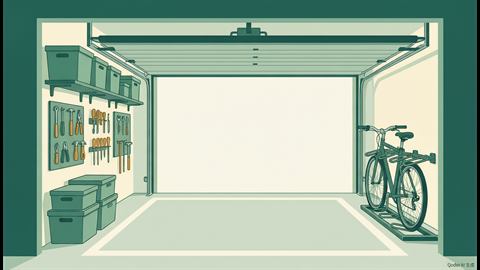
How to Organize a Cluttered Garage in One Weekend (A Zoned System)
A three-phase weekend plan — empty-and-sort, build zones, add vertical storage — that turns the junk cave back into a parking spot you can actually use.
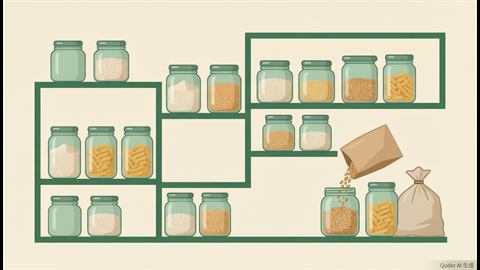
How to Get Rid of Pantry Bugs for Good (Weevils, Moths and Fruit Flies)
Identify which pantry pest you have, the discard-and-sanitize sequence that actually ends an infestation, and the storage habits that stop round two.

12 Small Habits That Keep a Home Tidy Between Deep Cleans
Twelve low-effort daily and weekly habits — the ten-minute reset, the one-touch rule, doorframe deadlines — that stop mess from snowballing.