How to Get Rid of Pantry Bugs for Good (Weevils, Moths and Fruit Flies)
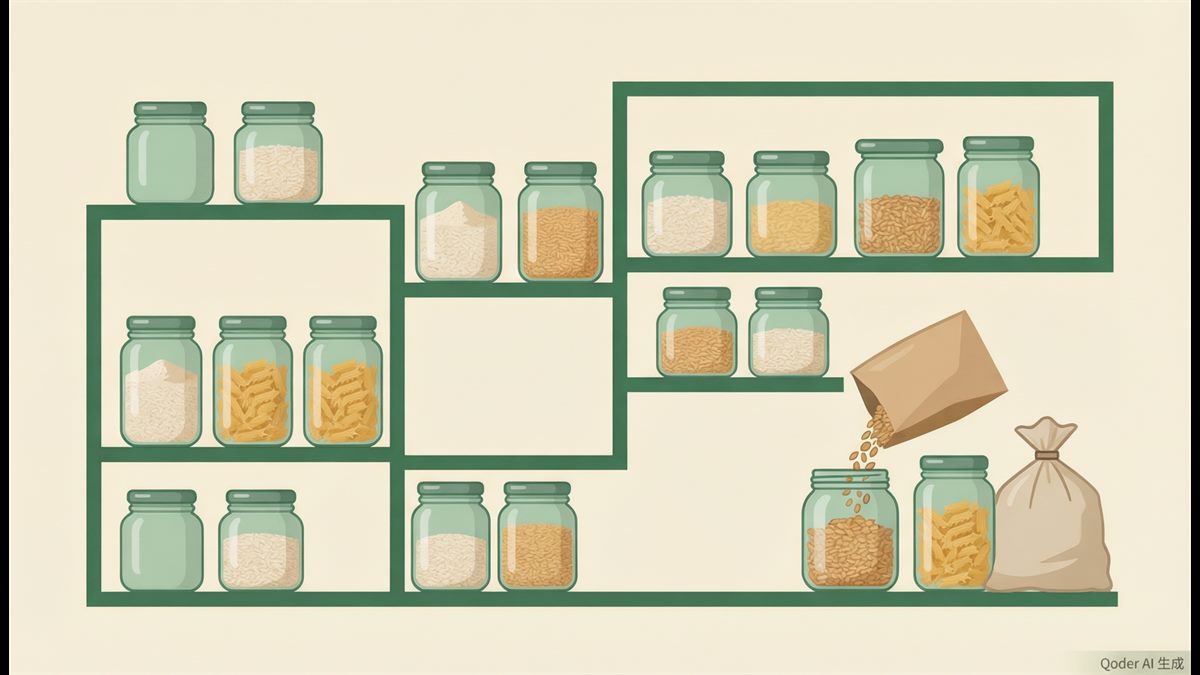
Pantry bugs are not a cleaning failure so much as an entry-and-breeding failure. Ending them means breaking the life cycle, not spraying.
First, name the enemy
- Weevils / flour beetles: tiny brown bugs in flour, rice, cereal. They came in the package.
- Indian meal moths: webbing and larvae in dry goods, adults flutter near the ceiling.
- Fruit flies: hovering over fruit, trash, or a damp mop — they breed in moisture and sugar, not grain.
Each has a different weak point, so guessing wastes time.
The grain-pest reset (weevils and moths)
Step 1: inspect everything at once
Take the whole shelf out. Check every box, bag and jar — the goal is to find all breeding sites, because leaving one re-starts the infestation.
Step 2: discard decisively
Anything with webbing, clumps, larvae or a musty smell goes in a sealed bag straight outside. Do not “sift and keep.”
Step 3: freeze what you are unsure about
Sealed containers of intact food can be saved by 72 hours in the freezer, which kills eggs you cannot see.
Step 4: vacuum the cracks
Vacuum shelves, corners and the hinge grooves of cabinet doors, then wash with soapy water. Moths lay eggs in seams a wipe misses.
Step 5: re-store in hard sealed containers
Glass or thick plastic with a real gasket. Cardboard and thin bags are not a barrier.
Fruit flies are a different fight
Find the breeding moisture, not the food: an overripe fruit bowl, a dirty trash can, a sink drain coated in gel, a forgotten mop bucket. Kill the source, and adults die out in days. A wine-in-a-cup trap catches stragglers.
Stop round two
Buy the highest-risk items (flour, cornmeal) in small amounts, freeze new grain for three days on arrival, bay leaves in cabinets as a light deterrent, and label stock so nothing turns into an unplanned ecosystem in the back of the shelf.
Related reads
Reducing Household Waste: Realistic Swaps That Actually Stick
The few high-impact changes that cut family waste without adding chores, which popular swaps quietly fail in real households, and how to start without a plastic-free panic.

How to Organize a Cluttered Garage in One Weekend (A Zoned System)
A three-phase weekend plan — empty-and-sort, build zones, add vertical storage — that turns the junk cave back into a parking spot you can actually use.

12 Small Habits That Keep a Home Tidy Between Deep Cleans
Twelve low-effort daily and weekly habits — the ten-minute reset, the one-touch rule, doorframe deadlines — that stop mess from snowballing.