How to Stop a Drafty Window Cheaply (Without Replacing It)
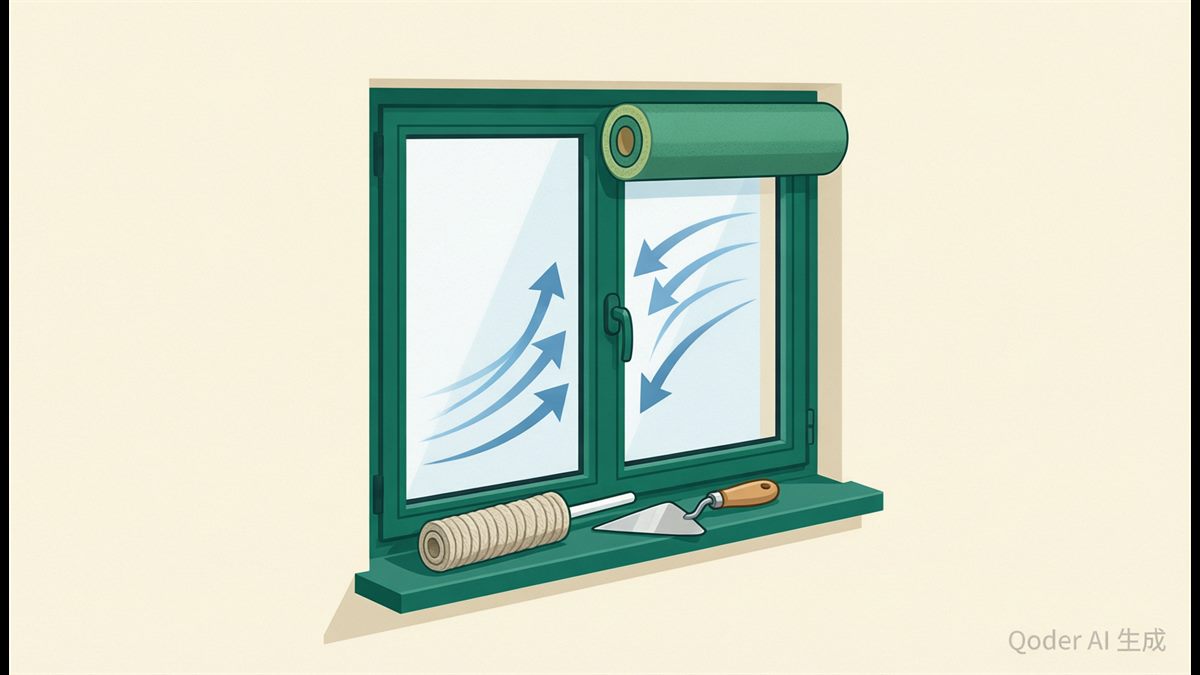
Before you spend thousands on new windows, know that most draft is air leaking at the frame and sash, not the glass. Cheap seals capture a surprising amount of it.
Find the leak first
On a windy day, hold a lit incense stick or a thin thread near the closed window. Where the smoke is sucked or the thread lifts, air is moving. Mark those spots with tape.
Fix 1: weatherstrip the sash
The moving parts leak. Adhesive foam or V-strip weatherstripping along the meeting rails and where the sash meets the jamb stops most in-season draft for a few dollars. Clean and dry the surface first so it sticks.
Fix 2: rope caulk in the corners
For seasonal sealing of windows you will not open this winter, press rope caulk into the gap where sash meets frame. It is removable, cheap, and dramatically cuts infiltration on leaky single-hung windows.
Fix 3: interior shrink film
A clear plastic kit sealed with double-sided tape and shrunk tight with a hair dryer creates an insulating dead-air pocket over the whole window. Ugly but among the best comfort-per-dollar fixes for cold climates.
Fix 4: check the frame-to-wall gap
If a cold draft comes from where the frame meets the interior wall (not the sash), a bead of paintable silicone or expanding foam sealant closes the hidden leak behind the trim.
When glass really is the issue
Condensation between panes means a failed insulated unit; no caulk fixes that, and film buys you one season. A whole badly-sealed window may justify replacement, but seal the cheap stuff first and remeasure your comfort.
Order of operations
Weatherstrip, then rope caulk on the leakiest points, then film for deep winter. Those three cost under the price of one new window and often remove most of the complaint.
Related reads

Are Smart Thermostats Worth It? A Straight Answer by Climate and System
What a smart thermostat actually saves, the setups where the payback is fast, the ones where it is a wash, and the features that are worth paying for versus marketing.

11 Ways to Lower Your Electric Bill That Actually Make a Difference
Ranked by real savings: which home energy changes cut 10-25% off your electric bill, which are marketing hype, and what each one costs to try.
Reducing Household Waste: Realistic Swaps That Actually Stick
The few high-impact changes that cut family waste without adding chores, which popular swaps quietly fail in real households, and how to start without a plastic-free panic.